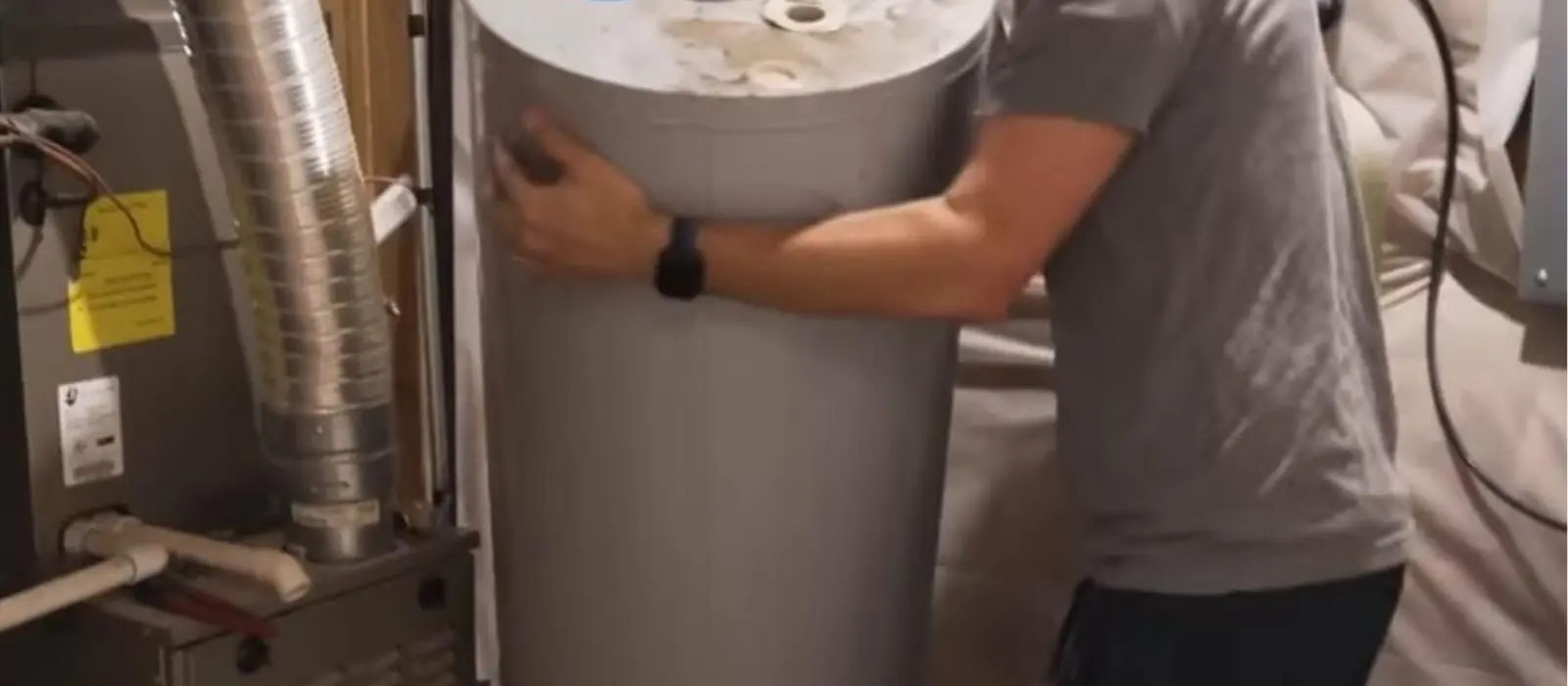
What a good installation includes
Anyone can set a tank in a corner and connect two hoses. A proper installation also covers the shutoff valves, a new relief valve with a discharge pipe run to a safe spot, a drain pan where the location calls for one, and flexible connectors rated for the job.
For a gas heater, add the gas shutoff, a sediment trap or drip leg where required, a tested gas joint and a vent that rises and slopes correctly. For an electric heater, the circuit has to match the unit's rating, which an older home may not.
Choosing the fuel and type
The right unit depends on what the house already has and how the household uses hot water. These are the main options we talk through.
Natural gas or propane tank
Fast recovery and common in Massachusetts homes. Needs a gas line and a proper vent, so the existing flue condition matters.
Electric tank
Simple venting and flexible placement. Recovery is slower, and it needs the right dedicated circuit.
Heat pump or hybrid
Moves heat instead of making it, so electricity use is lower. Needs space, airflow, a drain and a warm enough room.
Tankless
Heats on demand and frees floor space. Needs the right gas size or heavy electrical service, and we cover it on the tankless water heater page.
Power-vent or condensing
Vents through a wall with PVC and a fan. A good fit when no chimney is available, but it needs a power outlet and a condensate drain.
Sizing a tank to the household
Size is about hot water at the busiest hour, not total tank volume alone. The table pairs typical households with tank sizing logic, and the plumber confirms it against the unit's first-hour rating.
| Household | Peak demand | Sizing note |
|---|---|---|
| One or two people | Short showers, dishwasher at night | A smaller tank usually suffices |
| Family of four | Back-to-back showers, laundry | A mid-size tank with a good first-hour rating |
| Large family or guests | Several baths running at once | Larger tank, or tankless sized to flow rate |
| Seasonal cottage | Weekend and summer peaks | Match the tank to the busiest weekend, not the quiet weeks |
| Soaking tub or spa bath | Large single draw | Check the first-hour rating and consider a larger unit |
How a planned installation unfolds
Planned jobs follow a steady order, and most of the decisions are made before anyone shuts off the water.
- 1
Phone call and details
You describe the current heater, the fuel and the space. We confirm what is likely needed and a clear price.
- 2
Site look
The plumber checks the vent path, gas line or circuit, clearances and the location of the drain.
- 3
Permit
A licensed plumber applies for the plumbing permit before the work starts, as the regulation requires.
- 4
Install day
The old unit is drained and removed, the new unit is set, connected, vented and tested.
- 5
Inspection and walkthrough
The town inspection is arranged and you are shown the shutoffs, the relief valve and the temperature setting.
Planning a new water heater?
Call and tell us what you have now. We will explain the options and book an install day that fits.
Permit and inspection in Wareham
Installing or replacing a water heater needs a plumbing permit in Massachusetts. Under 248 CMR 3.05, the permit is issued only to a properly licensed individual and must be in place before the work is installed, and gas fitting needs its own permit too.
Permit timing and requirements are handled through the Wareham Inspectional Services plumbing inspector at Memorial Town Hall, which offers an online permitting portal. By regulation the inspector acts on an application within two working days, though schedules differ, so we plan the install date around the inspection.
Gas or electric in an older Wareham home
The town's housing plan lists a median build year of about 1969, so many homes still carry the wiring and flue of their era. That shapes the choice of unit.
Gas or propane
- Existing chimney liners may be too large or unlined for a new high-efficiency unit
- Gas piping sized for the old unit may need an upgrade
- Venting must be correct, and a carbon monoxide alarm nearby is a sound practice
- Often the best recovery for a large family
Electric or heat pump
- Service panels from earlier decades may have no room for a new circuit
- No flue, so placement is flexible
- Good for cottages without a gas line
- A heat pump needs warm space and a condensate drain
Expansion tanks, valves and the small parts that matter
A closed plumbing system, with a check valve or a pressure reducing valve at the meter, has nowhere to send heated water as it expands. A small expansion tank on the cold line absorbs it so the relief valve does not weep and the fittings do not stress.
We also fit new shutoff valves, a dielectric union or brass nipple where dissimilar metals meet, and a tested relief valve discharge pipe. These are small parts, and skipping them is how a new heater ends up leaking in three years.
Want the install scoped by phone?
Give us the fuel, the tank size and where it sits. A dispatcher books a licensed plumber for a day that suits you.
What affects the price of installation
We give a clear price before work starts. The list below explains why two installs can differ.
If the old heater has already failed and you need a fast swap, see water heater replacement, which covers the emergency version of this work.
Seasonal homes and cottages
Wareham has a large seasonal housing stock, from year-round homes to summer cottages near the water. A cottage heater is typically shut down and drained for winter, so the installation should include accessible shutoffs and a drain valve in a spot that makes shutdown easy.
Two separate water districts serve the town, and the town's sewer system does not reach everywhere, so some properties run on septic. Neither changes how the heater is installed, but the water source can change how quickly an anode wears, which is worth asking about on the call.
Source type: Wareham Housing Production Plan
Work for nearby towns
We install in Bourne and the surrounding towns on the same terms, and if the project is larger, such as new bathrooms or a rebuilt utility room, our plumbing installation service covers the rest of the work.
What to do before the installer arrives
A few steps reduce damage and risk, and they apply whether or not a plumber is on the way.
- Clear a path and a three-foot work area around the old unit and the new location.
- Locate the water shutoff and, for gas units, the gas valve at the appliance.
- Make sure a working carbon monoxide alarm is near the sleeping areas.
- If you smell gas at any point, leave the house and call the gas utility or 911 first.
Frequently asked questions
A standard like-for-like tank is usually a single visit. Changes of fuel, a new vent or a new circuit add time, which is why we plan those jobs ahead.
Yes. Massachusetts requires a plumbing permit, and under 248 CMR 3.05 a licensed plumber must pull it. The Wareham Inspectional Services plumbing inspector handles the rules and timing, and we arrange it with you.
Size by the hot water you use at the busiest hour. A first-hour rating that covers peak showers and laundry matters more than the number of gallons printed on the tank.
It depends on what the house has. Gas recovers faster but needs a vent and a gas line, and electric is simpler to place but needs the right circuit.
Massachusetts requires a licensed plumber to pull the permit. Gas connections and venting are also safety-critical, so this is not a home project.
It is a small tank on the cold line that absorbs the water's growth as it heats. Homes with a check valve or pressure reducing valve generally need one.
Yes. We place the shutoffs and drain so the tank can be closed down easily for winter, and we talk through the season of use before choosing the unit.
Yes. After a short description and, if needed, a site look, we explain the scope and give a clear price before work starts.